
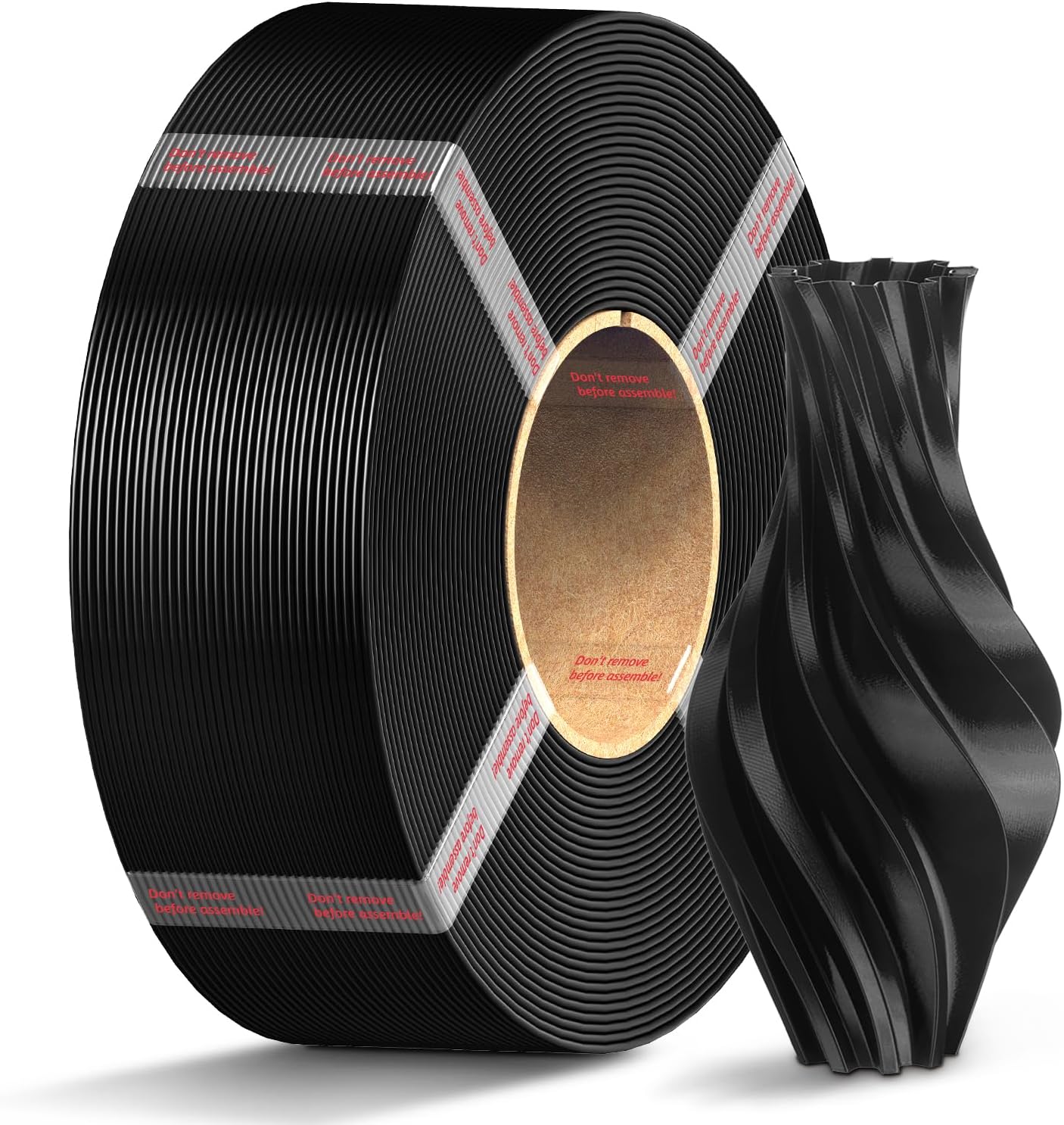
Water is hard on printed parts. It gets into layer lines, adds weight, and turns a brittle part into a broken one. That is why PETG RC boat parts outperform PLA parts on the water. PETG resists water and chemicals better than PLA or PLA+, and it flexes instead of snapping when a hull hits a dock or a wave. Its impact resistance is twice that of standard PLA, which is exactly what a boat part needs. If you run RC boats and you own a 3D printer, PETG is the filament to stock.
PETG RC boat parts that survive the water
The case for PETG on boats comes down to three things: water resistance, toughness, and flex. PLA absorbs moisture over time, and a PLA part left in a wet hull gets soft and weak. PETG holds up in humid environments and resists common cleaning agents, so a part that lives in a wet hull stays strong. The flex matters just as much. A rudder mount or a hatch latch in PETG will bend and spring back when it takes a hit, while the same part in PLA will crack and let water in. For anything below the waterline or inside a wet hull, PETG is the right call. Print it with enough walls to keep water out of the infill, and seal the part with a thin coat of epoxy or clear coat if it will sit submerged.
Print settings for boat parts are simple. Use four or more walls and 40 percent infill or higher, and print slow enough that the layers bond fully. PETG strings more than PLA, so tune retraction and keep the filament dry. A damp spool of PETG will pop and bubble as it prints, and the finished part will have weak layers. Store the spool in a dry box and dry it before a big print if it has been sitting out. Anycubic PETG is a 1KG refill coil, and it needs a reusable spool, so keep one on hand. A Creality glue stick on the bed keeps large flat hull parts from lifting while they print.
What PETG does that PLA cannot
PLA has one advantage on boats: it prints easier and gives cleaner surfaces. That matters for display parts and for parts that stay dry, like a transmitter stand or a display mount. But anything that touches water or takes a hit belongs in PETG. A PLA hatch latch will crack the first time you force a swollen hatch closed. A PLA rudder will snap the first time the boat hits a dock. PETG parts take the same abuse and keep working. The price difference is small. Anycubic PETG costs 18.79 dollars, and one spool prints a season of parts. PLA+ is the middle ground. It is tougher than standard PLA and holds up better under impact, so it works for dry parts that take stress, like a motor mount above the waterline. Use PLA+ where you need stiffness, PETG where you need water resistance and flex.
Parts to print for your boat
Start with the parts that break most: hatch latches, rudder mounts, and prop guards. A hatch latch in PETG keeps water out and survives being forced open with wet hands. A rudder mount in PETG flexes instead of snapping when the rudder catches weeds. A prop guard in PETG protects the prop and the fingers near it. Then print the convenience parts: a battery tray that fits your exact pack, a receiver box that keeps the electronics dry, and a stand that holds the hull level on the bench. Print spares of the small parts and keep them in your boat bag. A broken latch at the lake ends the day unless you have a spare in the bag. Check the 3D Printer Filament category for PETG and PLA+, and keep a bed adhesion glue stick on the bench for large flat prints.
Dry storage matters for PETG. Keep the spool in a dry box with desiccant between prints, and dry it at 60C for a few hours if it has been sitting out in a humid garage. A dry spool prints clean, strong layers. A damp spool pops, bubbles, and leaves weak spots that fail on the water. If a print sounds like it is crackling, stop it and dry the filament first. The few hours spent drying will save you a failed part and a wasted afternoon at the lake.
-
Anycubic PETG Filament Refill, 1.75mm, 1KG
$18.79Select options This product has multiple variants. The options may be chosen on the product pageColor
Ships from our secure NY warehouse in the USA
Quality RC Parts is a USA shop, and every order ships from our secure NY warehouse. Orders leave in 1 to 2 business days with tracking sent by email, and shipping is free on orders over $100. No overseas wait, no customs. We are a working repair shop, and we stand behind every part we sell.