
An RC hobby bench works better when the right tools are within reach. You do not need a full machine shop to enjoy the hobby, but a few good tools will save you hours and a lot of frustration. These are the RC hobby tools that earn their space on the bench: the soldering iron, the heat gun, the glue stick, and the filament that keeps your printer fed. Buy them once, buy them right, and they will last through years of builds, repairs, and upgrades. A clean bench is part of the toolkit, since a lost screw costs more time than any repair.
RC hobby tools for soldering
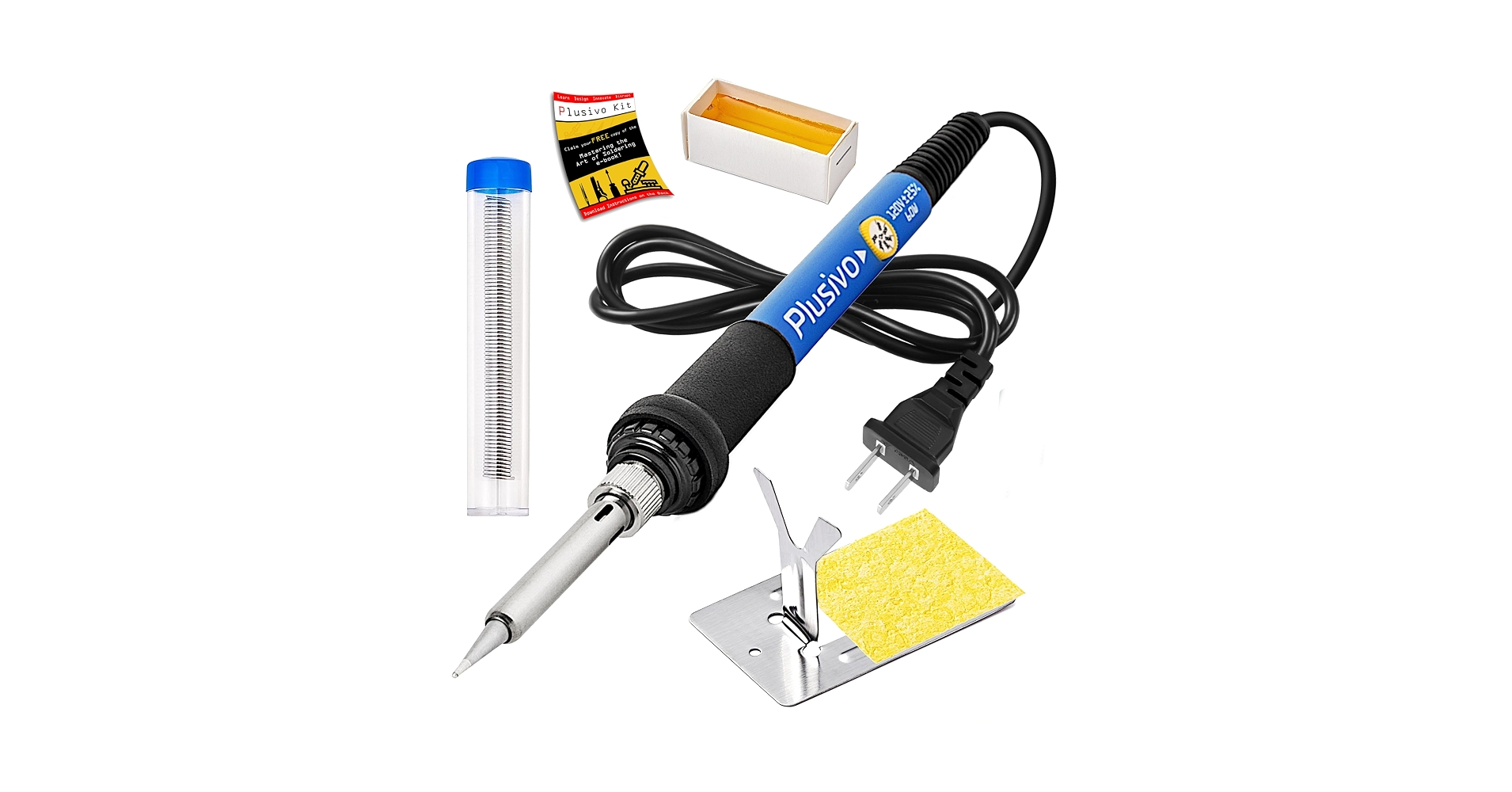
Soldering is the core skill in this hobby. Every receiver, motor, and ESC connection runs through a solder joint, and a bad joint causes the failures that are hardest to find. The Plusivo 60W soldering iron kit is a 60W kit with a 5-in-1 set, a 120V US plug, and adjustable temperature from 200 to 450C. That range covers everything from delicate receiver pads to heavy battery leads. A 60W iron heats fast and holds temperature when you touch a big wire, which is where a cheap iron fails. Keep the tip clean, tin it before you put it down, and use a brass sponge instead of a wet sponge so the tip stays hot. A good iron turns soldering from a chore into a five minute job.
Solder and flux matter as much as the iron. Use rosin core solder in 0.8mm for most RC work, and keep a small bottle of flux on the bench for stubborn joints. Flux makes the solder flow where you want it and keeps the joint clean. A helping hands tool or a simple PCB holder keeps the work still while you solder, and that alone will improve your joints more than any new iron will. Practice on scrap wire before you touch a real receiver. Ten minutes of practice saves a forty dollar receiver.
Heat shrink and finishing
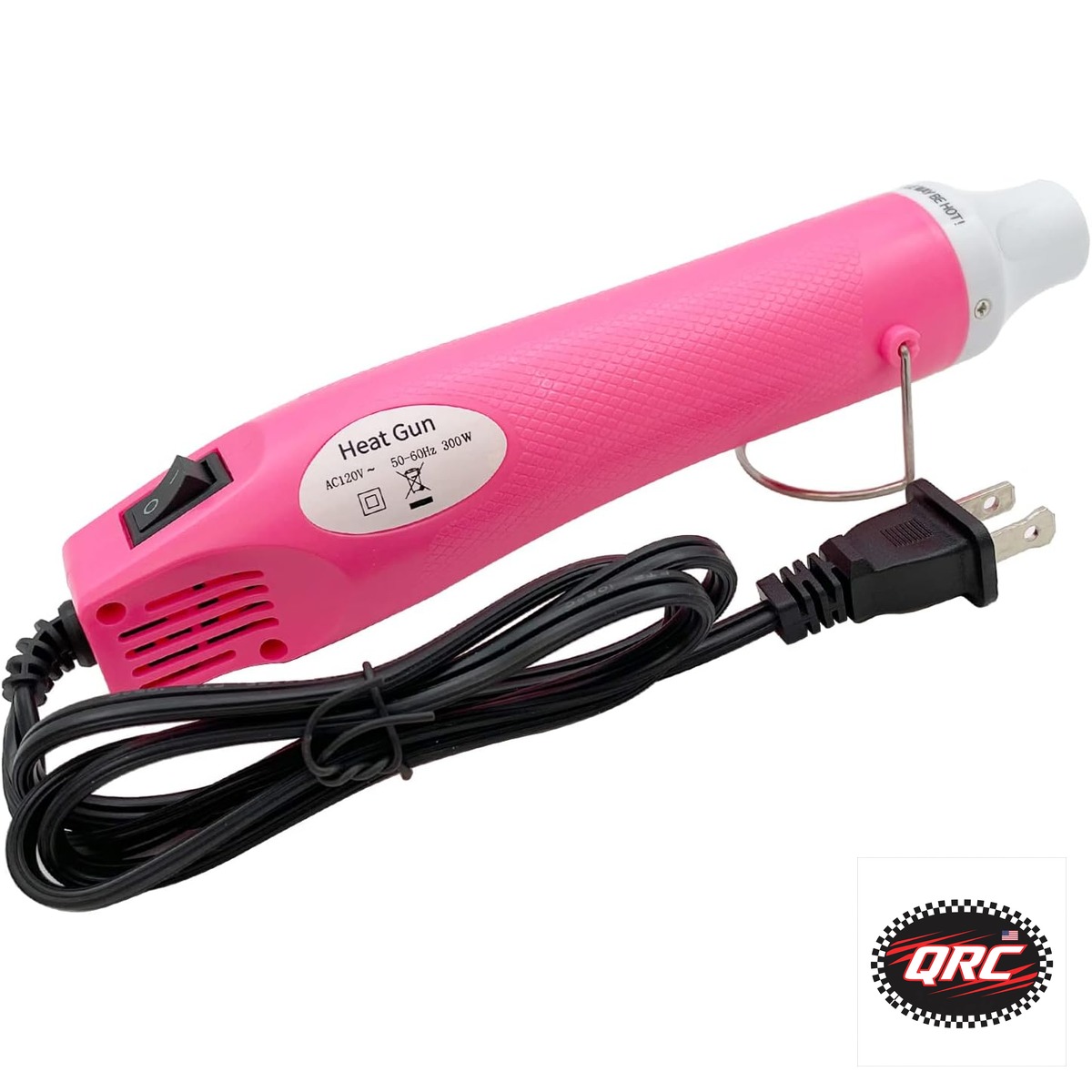
Heat shrink is how a build goes from working to finished. It insulates solder joints, keeps wires tidy, and stops shorts before they happen. The Mini Heat Gun for Heat Shrink is a small heat gun made for heat shrink work, and it beats a lighter every time. A lighter scorches the shrink and leaves soot, while a heat gun shrinks it evenly with no damage. Keep a few sizes of heat shrink on the bench, from 2mm for signal wires to 8mm for battery leads. Slide the shrink over the joint before you solder, then shrink it after. Forgetting the shrink before you solder is the classic beginner mistake, and everyone makes it once. A heat gun also helps with 3D printing, since a quick pass removes PETG strings and smooths rough edges.
Cable management is part of finishing too. Zip ties, double sided tape, and a few drops of hot glue keep wires out of props and away from spinning parts. A wire that touches a prop will cut through in seconds, so route wires with slack, tie them down, and check them before every flight. A tidy build is a reliable build, and it is easier to repair when something does break.
Adhesion and printing tools
If you print your own parts, bed adhesion is the tool you will reach for most. A Creality glue stick keeps large flat parts from lifting while they print, and it washes off with water when the print is done. A bed adhesion glue stick does the same job in a 21g stick for PLA, ABS, PETG, PC, PA, and TPU. Keep one on the bench next to the printer. And keep the filament dry. Anycubic PLA+ prints better from a dry spool, so store it in a dry box and dry it before a big print if it has been sitting out. A dry spool prints clean layers, a damp spool pops and bubbles. A small parts tray keeps screws and standoffs from rolling off the bench, and a labeled box for each project keeps builds from mixing together. Check the 3D Printer Filament category for the filaments on this bench, and keep the tools in one place so the next build starts fast.

Ships from our secure NY warehouse in the USA
Quality RC Parts is a USA shop, and every order ships from our secure NY warehouse. Orders leave in 1 to 2 business days with tracking sent by email, and shipping is free on orders over $100. No overseas wait, no customs. We are a working repair shop, and we stand behind every part we sell.